

Are electric cars actually environmentally friendly? Are they a good option for people who want to reduce their carbon footprints? What is the most environmentally friendly form of transport? Are electric cars the future?
Let’s discuss these questions on today’s episode of Thinking in English!
Listen Here!
Interactive Transcript!
You Can Now Read and Listen at the Same Time With an Interactive Transcript!

Vocabulary
- Emissions (noun): Release of gases into the air, often contributing to air pollution.
- The factory’s emissions were closely monitored to ensure compliance with environmental regulations.
- Hybrid car (noun): Vehicles that combine an internal combustion engine with an electric propulsion system.
- Many commuters prefer hybrid cars for their lower fuel consumption and reduced emissions.
- Renewable (adjective): Relating to energy derived from resources that are naturally replenished, such as sunlight, wind, or rain.
- Solar power is a renewable energy source.
- Fossil fuel (noun): Energy resources, such as coal, oil, and natural gas, formed from the remains of ancient plants and animals.
- Burning fossil fuels for energy is a major contributor to greenhouse gas emissions and global warming.
- Carbon footprint (noun): The total amount of greenhouse gases, especially carbon dioxide, that an individual, organization, or product is responsible for.
- To reduce their carbon footprint, many individuals choose eco-friendly transportation options.
- Public transport (noun): Shared transportation services, such as buses, trains, and trams, available for use by the general public.
- Public transport systems play a role in minimizing traffic congestion.
- Environmentally friendly (adjective): Practices, products, or behaviours that have minimal negative impact on the environment.
- Recycling and using reusable containers are simple ways to adopt environmentally friendly habits.
Introduction
Global warming. Climate Change. Environmental disasters.
These are things we all should be worried about.
Average temperatures around the world are increasing every year. Sea levels are rising. Extreme weather events are becoming more common. Heatwaves are causing problems across the globe.
As individuals, we are constantly being told that we need to act now to save the planet. We need to change our habits and behaviours to become more environmentally friendly.
Now, I’ve discussed this topic before. It seems unfair, and slightly ridiculous, to ask individuals to make major changes to their lives for the purpose of being green, when the cause of global warming tends to come from big businesses, governments, and the mega-rich.
I actually saw a few viral twitter posts about the super bowl and Taylor Swift a few weeks ago. These posts were talking about the use of private jets by the insanely wealthy, including Taylor Swift who apparently flew to Tokyo and then to Las Vegas with two private jets – one to take her to Tokyo and one as a back up if the first one broke down.
And plane trackers reported hundreds of private jets landing in Las Vegas just to watch the super bowl.
A lot of people were questioning why they are reducing their carbon footprints by recycling bottles and using paper straws, when the rich and famous are taking jets that in one trip pollute the world more than the average person does annually.
Yet we are constantly told to be more environmentally friendly. We should change our diets to eat more sustainably. We should use less plastic. And we should change they way we travel.
Driving a car is something that most of you listening do. And most of you will own cars that run on fossil fuels – probably using petrol or diesel.
Many people have high hopes that the future of transport will be more green and environmentally friendly. They key to this, in many people’s minds, are electric cars.


Are Electric Cars Actually Environmentally Friendly?
What are Electric Cars?
Electric cars are vehicles that are powered by electric motors, using electricity stored in batteries as their source of energy. Unlike traditional internal combustion engine vehicles that rely on fossil fuels, electric cars produce zero emissions during operation.
They produce fewer greenhouse gas emissions compared to traditional vehicles, especially if the electricity used for charging comes from renewable sources like solar or wind power.
The idea behind why electric vehicles are more environmentally friendly is relatively simple – they don’t directly require the burning of fossil fuels to run. Instead, they store and use electricity, that could be made using wind power, solar power, nuclear power, or any other form of more sustainable power.
Of course, in most countries our electricity supply is still dominated by fossil fuels. I live in Japan, a country reliant on coal power. I come from the UK, which still uses a lot of natural gas (although does have an impressive amount of renewable resources).
However, as our technology improves, and renewable energy becomes a larger share of electricity production, electric cars will be far more environmentally friendly than traditional combustion engine cars.

How “Green” are Electric Cars?
And they do have some points – electric cars are not perfect and are not purely “green.”
What do I mean?
Compared to traditional cars, electric vehicles require a lot more emissions to manufacture. They use batteries (specifically lithium-ion batteries) the contain minerals like lithium, cobalt, and nickel.
Getting these minerals requires massive mining operations and then complicated manufacturing processes. These are very carbon intensive and high emission processes. In fact, MIT estimates that the manufacture of an electric car causes 80% more emissions than a normal car.
However, this is not the full story. People who are against electric cars will talk about the manufacturing process of electric cars being high emission, but they will leave out that over the entire lifespan of the car its carbon footprint will be significantly lower than fossil fuel powered vehicles.
The US Department of Energy has found that over an average year, an electric vehicle will produce about 1800kg of CO2 emissions while a gasoline powered car will produce about 5200kg.
Context is also a factor. In a country like Norway, which has massive renewable energy resources (hydropower) electric cars basically produce no emissions after manufacture.
On the other hand, countries that use a lot of coal to make electricity (like South Africa, China, and India) electric vehicles will be significantly less environmentally friendly (but no more polluting that a normal car).
Electric vehicles are expected to become even greener in the future as more countries adopt clean energy sources, contributing to a decrease in the carbon intensity of the electric grid.
Something important for electric vehicle owners to consider when buying, however, is how long they need to own the car before it becomes environmentally friendly. In the UK for example, it takes about 2 years of driving before the balance of emissions becomes less that what a fossil fuel powered car would produce. This is because of the higher manufacturing emissions.
So, if you are the kind of person who changes car every year or two, owning an electric car is not going to be environmentally friendly.
Overall, evidence suggests that over time owning an electric or hybrid car is more environmentally friendly than owning a fossil fuelled powered car. However, it is certainly not the most environmentally friendly form of transport, and I’ll talk more about this later.

Is Tesla a “Green” Company?
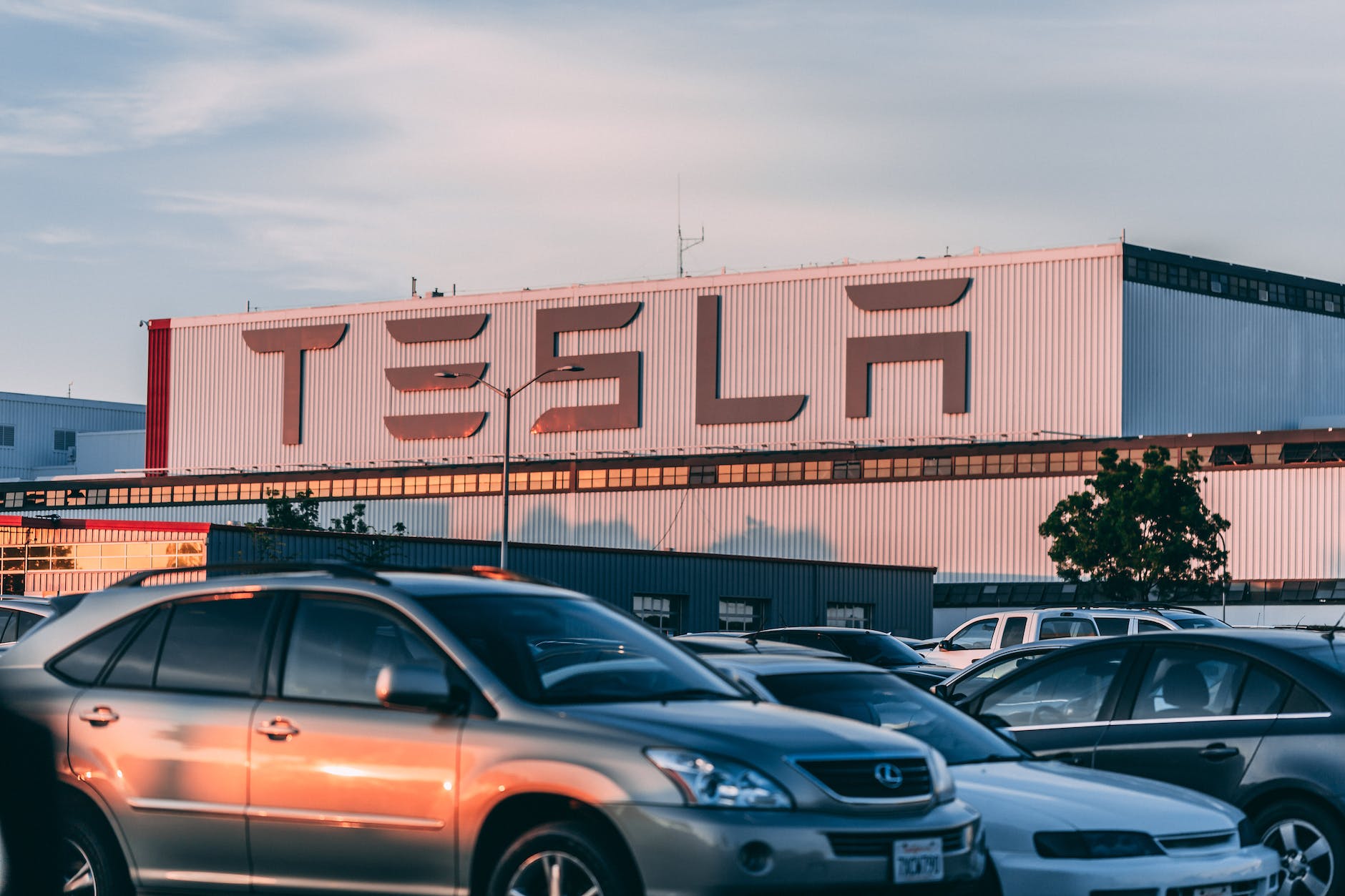
Before I talk about other forms of transport, I think I should mention the brand Tesla. Tesla is the world’s most valuable car company, has the most famous owner of perhaps any company in the world, and is almost synonymous with electric cars.
Tesla openly states that one of their core missions is creating a more sustainable world. On their website, they state that “the faster the world stops relying on fossil fuels and moves towards a zero-emission future, the better.”
So Tesla must be an environmentally friendly company, right?
It is not so simple.
When we talk about company emissions, there are 3 different groups or scopes of emission.
Scope 1 emissions are directly caused by a company – perhaps from its own factory that it owns. Scope 2 emissions come from emissions from energy the company buys – electricity to run its lights, heat their offices, or cool down their factories.
And scope 3 emissions are all other indirect emissions. This could be emissions from the supply chain of a product or emissions caused by the product a company produces. For example, if a company makes cars, scope 3 emissions would include the emissions from after the car has been sold and is being used by customers.
Until last year, Tesla never revealed the full extent of its carbon emissions. Until it became a US law, the company refused to publish details of its scope 3 emissions.
This meant that Tesla has been graded F (as in failing) by the group Climate Change Disclosures for failing to report its emissions. On the other hand, Ford is graded A because they accurately report all of their emissions.
Of course, Ford produces more emissions than Tesla because they sell a lot more cars and their cars burn a lot of fossil fuels, but what concerns people about Tesla is the secrecy. While companies like Ford release this data so that everyone can measure and track their progress in becoming more “green”, this isn’t possible with Tesla.
In fact, everything seems to suggest Tesla is becoming less environmentally friendly as the seek to grow their company and produce more cars.
I searched many rankings of the most environmentally friendly cars in the world, and while each list was different, Tesla vehicles rarely appeared in those rankings.
While Teslas may be cool cars, if you are thinking of buying one out of environmental concerns, I would definitely do some research yourself.

Which Form of Transport is the Most Environmentally Friendly?
While this discussion of electric cars and their benefits is important, there is a much wider context to this debate. Often, the debate is framed as a choice between fossil fuel powered, cars, hybrid cars, and electric cars.
But what about the other options?
The most environmentally friendly option is not using any of those forms of transport if possible.
Public transport, in general, is much greener.
Busses and trains can take more passengers than a privately owned electric car, which spreads the overall energy consumption between more people and takes other vehicles off the road.
When a bus or train is full, the energy required to transport each passenger is significantly lower than if those passengers were using separate electric cars.
Public transport helps alleviate traffic congestion by reducing the number of individual cars on the road. Traffic congestion often leads to inefficient fuel consumption and increased emissions from idling vehicles.
Aside from public transport, walking, cycling, or using e-bikes are even more environmentally friendly.

Future of Transport
What is the future of transport?
Will we all be using electric vehicles? Will we be biking around on e-bikes? Will everyone be taking public transport?
Cars are one of the most polluting things that most people use as an individual. Of course, one individual changing is going to do little to solve our global environmental issues, but if the whole world gradually shifted towards more sustainable transport that would make a difference.
Many people believe that electric vehicles are the future of transportation. But are they really?
For personal cars, maybe electric is the future. But for all transportation? I’m not sure.
As we’ve already discussed in this episode, electric cars require a variety of minerals to make their complicated batteries. This means the manufacturing process is very polluting. For larger vehicles, like ships, aeroplanes, and trucks these emissions will be even higher.
Electrifying cargo trucks and ships presents technical challenges due to size, weight, and energy requirements. Batteries for heavy-duty transport, like super-tankers at sea or airplanes, face limitations in weight and power.
And of course, the environmental benefits of electric vehicles depend on the energy sources used for electricity generation. If your country isn’t investing in renewable energy or more sustainable energy sources, owning an electric vehicle isn’t really going to do much for the environment.

Instead, perhaps we need to be looking for more innovative or radical solutions for future transport!
For example, e-roads or electrified roads. This would be a massive and long-term construction project, but developing electrified roads that power the vehicles on them would solve a lot of the limitations large vehicles currently have.
Investing in public transport – making tickets cheaper, services more reliable, and routes more comprehensive – would encourage many more people to use buses, trams, and trains.
An effort could also be made to change people’s behaviours and expectations. I know people who live 5 minutes walking distance from a convenience store… but still choose to drive there. Encouraging people to change their behaviour, to start walking, cycling, or using public transport, would be one of the most environmentally friendly initiatives.
This might require redesigning cities, so they are more walkable and building bicycle lanes. Or offering free Wi-Fi on buses to encourage people to take the bus.
In my opinion, if we are serious about reducing the impact of transportation on the environment, we need to seriously reconsider the entire concept of personal vehicle ownership. Rather than it being normal to drive your own car everywhere, perhaps we need to make it normal to use public transport.
For some of you this is already the reality. When I lived in London, Tokyo, and Taipei, I never needed a car – everything I needed was a walkable distance from my house and public transport was great.
And while I now live in a much smaller city without the great public transport of major cities, one of the major factors behind choosing my apartment was that everything is walkable distance from my house – the supermarket, convenience store, book shop, drug store, and park are all less than 2 minutes from my house. And the city hall, library, coffee shops, and many restaurants can be walked to in less than 20 minutes.
Of course, this is not possible for everyone in every part of the world right now. But rather than relying on electric vehicles, I think over the next decades we should be trying to make slow changes towards are more sustainable transportation system!

Final Thought
Are electric cars environmentally friendly?
This is the title of this episode… so what is the answer?
Like many questions, the answer is relative. The answer is relative to what you are comparing electric cars to and what you mean by environmentally friendly.
In comparison with fossil fuel guzzling petrol cars, electric cars are less environmentally friendly to build but over their lifetime more environmentally friendly.
It is relative to where you live. In a country that uses a lot of renewable energy to generate electricity, like Norway, driving an electric car is quite “green”. In a country that makes most of its electricity using dirty fuel like coal, such as China, India, or Japan, then electric vehicles are not that impactful.
It depends on how often you use your car. If you drive every day, switching to an electric or hybrid vehicle may eventually be environmentally friendly. If you rarely drive, switching to an electric vehicle from your old fossil fuel car is probably not that “green”. Why? The environmental costs of building that car might be more than the costs of using your exisiting car once a week.
And if you really want an environmentally friendly form of transport – walk, ride a bike, or use public transport.
What do you think? Are you considering switching to an electric vehicle?
Extended Vocabulary List
Become a Patreon Subscriber to Access the Extended Vocabulary List!
Vocabulary Games and Activities!
Learn and practice vocabulary from this Thinking in English episode.
Practice using 5 different study games and activities – including writing, listening, and memorisation techniques!
Flashcards
Matching Game
Learning Game
Test Yourself
Listening and Spelling
Do you want to Think in English?
I’m so excited that you found my blog and podcast!! If you don’t want to miss an article or an episode, you can subscribe to my page!
