

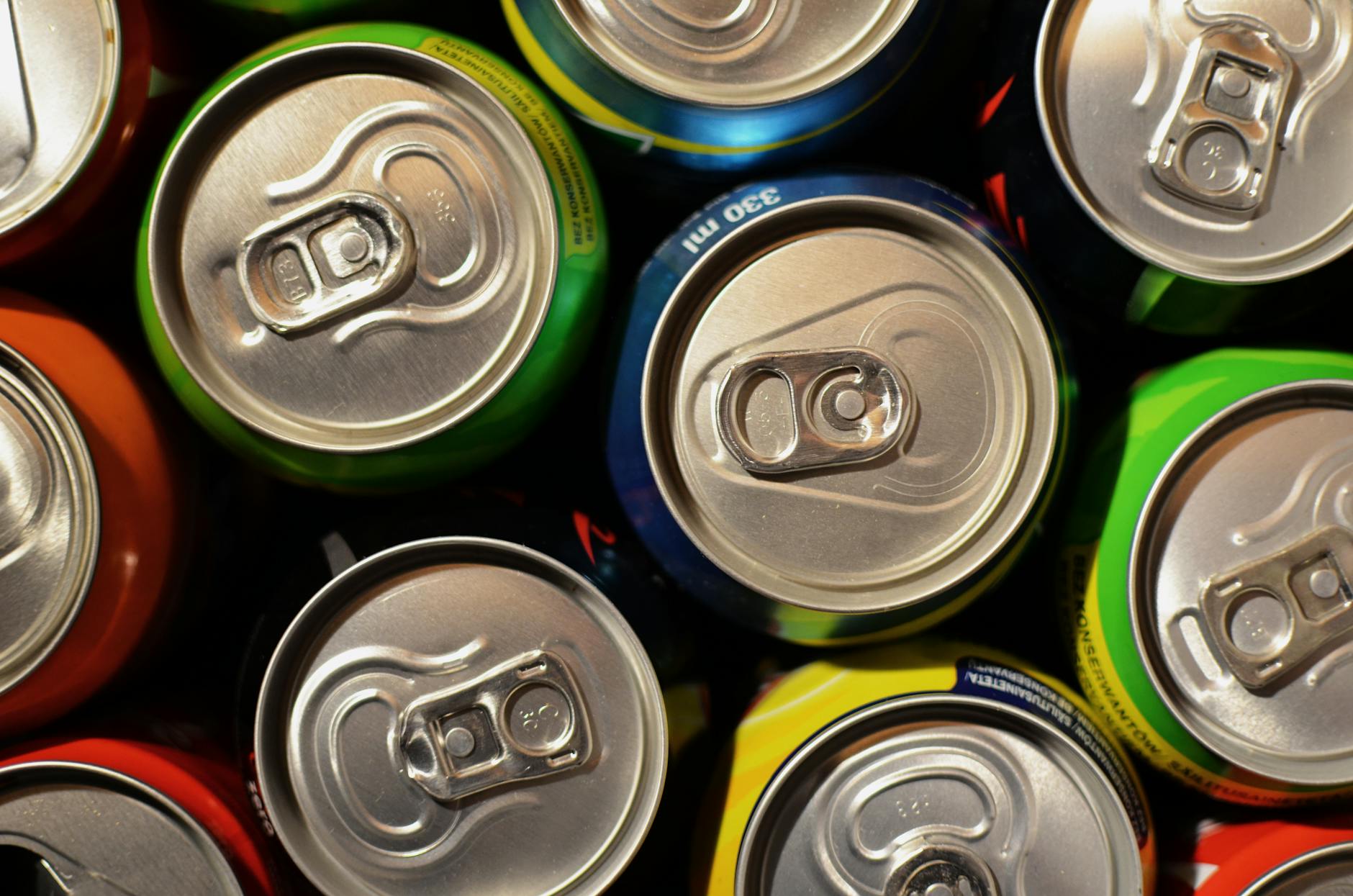
A recent report has revealed that the UK sugar tax introduced in 2018 has been very effective at reducing the amount of sugar consumed by both adults and children in the country.
Today, I’d like to take a deeper look at sugar taxes. What are they? How do they work? Where are they used? Are sugar taxes good? Or bad? Or should they be even more extensive?
Let’s discuss this today!
Listen Here!
 Apple Podcasts
 Spotify
 YouTube
Interactive Transcript!
You Can Now Read and Listen at the Same Time With an Interactive Transcript!

Vocabulary
- Levy (noun): An extra tax or fee imposed by the government.
- The government imposed a levy on sugary drinks to reduce consumption and improve public health.
- Consume (verb): To eat, drink, or use up a product.
- People are encouraged to consume less sugar to improve their overall health.
- Consumer (noun): A person who purchases goods and services for personal use.
- The new tax policy aims to influence consumer behaviour by making sugary drinks more expensive.
- Disparity (noun): A great difference.
- There is a significant disparity in health outcomes between high-income and low-income communities.
- Incentivize (verb): To provide an incentive for doing something.
- The government hopes to incentivize companies to reduce sugar content in their products by imposing a higher tax on sugary drinks.
- Reduction (noun): The action or fact of making something smaller or less in amount, degree, or size.
- The sugar tax led to a significant reduction in the amount of sugar consumed by the population.
- Intake (noun): An amount of food, air, or another substance taken into the body.
- Reducing daily sugar intake can help lower the risk of chronic diseases like diabetes and obesity.
What is a Sugar Tax?
A sugar tax is a levy (meaning an extra tax or fee) placed on items containing high levels of sugar, especially sugary drinks.
The tax is applied based on the sugar content of the product or drink and is designed to encourage drink manufacturers and companies to put less sugar in their drinks and encourage consumers to choose sugar free alternatives.
A number of countries have introduced sugar taxes, but the one I’m most familiar with is the UK sugar tax (technically known as the “soft drinks industry levy”).
As part of an anti-obesity campaign in 2016, the UK announced they would target companies selling high sugar drinks. If a drink contained 8 grams of sugar or more per 100 millilitres, they would need to pay 24p in extra tax, and if it contained between 5 and 8 grams of sugar they would need to pay 18p in extra tax.
Considering the price of a bottle of a soft drink (usually called a fizzy drink in British English) was about £1.50 at the time, this was quite a high level for companies to pay.
The levy was introduced in 2018 and, at the moment, the UK sugar tax only applies to beverages (and not all drinks), but we will talk about the future in more detail later in this episode.


Different Types of Potential Sugar Tax
Sugar taxes are designed to change our behaviour (and the behaviour of companies) by making sugary drinks too expensive.
The taxes could work in a few different ways.
The government could tax based on the size of a product. For example, any product containing over a certain amount of sugar could be taxed at $0.10 cents per litre.
The government could tax based on the price of a product (rather than the size). For example, a 10% tax on a £2 soda would result in an extra 20p charge.
Or, like the UK sugar levy, the taxes could be tiered. For example, a product with 5 grams of sugar per 100 millilitres might incur a lower tax than a product with 10 grams of sugar per 100 millilitres.
I think this system is best as it incentivises manufacturers to reduce sugar content to lower the amount of tax they will pay, and it can also influence consumers to choose products with lower sugar levels.
I have not bought a full sugar soft drink in the UK for years because the sugar free versions are significantly cheaper.

Why Introduce Sugar Taxes?
The rationale behind introducing sugar taxes is very important in modern society. Public health and obesity are major issues in many countries, and sugar taxes are just one policy governments can introduce to tackle these issues.
The first thing a sugar tax is designed to do is reduce the amount of sugar people consume. High sugar intake is associated with numerous health problems, including obesity, type 2 diabetes, cardiovascular diseases, and dental issues.
Reducing sugar consumption can help lower the chances of chronic diseases. For instance, evidence suggests that cutting back on sugary drinks can decrease the risk of obesity and diabetes, which in turn can reduce healthcare costs and improve overall public health.
Chronic diseases often disproportionately affect low-income populations. By reducing the consumption of sugary products through taxation, the goal is to decrease health disparities and promote health equity.
There are also economic considerations.
Illnesses related to high sugar intake, such as diabetes and heart disease, impose significant costs on healthcare systems. Sugar taxes can help reduce these costs by decreasing the incidence of these conditions.
Revenue from sugar taxes can be used to fund public health initiatives, such as obesity prevention programmes, nutritional education, and subsidies for healthier food options.
These taxes could also have behavioural effects.
First, they can change consumer behaviour (the people buying the drinks like you and me). Increased prices can lead to reduced consumption of the taxed products. Like I mentioned before, I don’t buy sugary drinks anymore… if I want a soda I only buy sugar free!
Second, they can change manufacturer behaviour.
To avoid higher taxes, manufacturers might reduce the sugar content in their products or reformulate them to meet lower tax thresholds. This can lead to overall healthier product options in the market.

Case Studies
Now let’s take a quick look at some case studies of places that have already introduced sugar taxes or similar policies. Currently over 100 countries impose levies on some kind of sugar, but should they? Do they actually work?
The UK
As I already mentioned, the UK introduced a levy on sugary drinks in 2018. How effective has it been?
It has been incredibly successful.
In a study of about 15,000 British adults and children between 2008 and 2019 by the UK National Diet and Nutrition Survey, they found that diets improved significantly once the UK introduced the sugar tax.
Children’s daily sugar intake dropped by 4.8g and adults by 10.9g once the tax was introduced (in just 1 year). Sugars from soft drinks reduced by half in children and by a third in adults post-tax.
Statistics from UK dentists say that the UK’s sugar tax led to a 12% reduction in children’s hospital admissions for tooth extractions by 2020.
Sugar consumption is still above recommended levels so a number of experts are calling for a wider tax, but the results from the UK show that they are effective in reducing sugar consumption.
South Africa
Since the tax, there has been a 29% reduction in sugary drink purchases, with an even higher reduction in low-income households, and a 51% reduction in calories coming from sugary drinks.
USA
While the USA doesn’t have a national sugar tax, a number of cities have introduced their own levies and found success.
The cities of Boulder, Oakland, Philadelphia, Seattle, and San Francisco all introduced sugar taxes, and a study demonstrated that increasing prices of sugary drinks by 31% led to a 33% reduction in purchases in these five US cities.
Every 1% price increase resulted in a 1% decrease in purchases.

The Debate Over Sugar Taxes
I think you might be able to tell from this episode so far that I am in favour of sugar taxes. I think they have health benefits and could work effectivley.
There is, however, a debate around such levies and their scope. Let’s take a deeper look at this!
Arguments in Favour of Sugar Taxes
First, let’s discuss the benefits of a sugar tax.
Supporters argue that sugar taxes effectively reduce the consumption of sugary drinks and foods, leading to improved public health outcomes. As I have already shown in this episode, evidence from various studies shows a decrease in sugary drink consumption in cities and countries that have implemented such taxes.
By lowering sugar consumption, these taxes aim to reduce the amount of obesity, diabetes, cardiovascular diseases, and other health issues linked to high sugar consumption. Long-term, this can lead to a decrease in healthcare costs associated with these conditions.
Sugar taxes encourage manufacturers to remake their products to contain less sugar, which can lead to healthier options available to consumers.
This is completely anecdotal, but I am constantly amazed at the difference in sugar free soft drink availability between the UK and Japan. In Japan, Coca Cola is really the only sugar free option always available, while in the UK there are probably more sugar free options than full sugar versions.
The money generated from sugar taxes can be allocated to health programmes, educational initiatives, and other public services. For example, in the UK, funds from the sugar tax have been used to support school sports programs and nutritional education.
Taxes can raise awareness about the health risks associated with high sugar consumption, potentially leading to more educated and healthier choices by consumers.
Arguments Against Sugar Taxes
On the other hand, there are arguments against sugar taxes and levies. Generally, these come from pro-business, low tax, free choice supporting people.
Critics argue that while sugar taxes may reduce consumption of sugary drinks, their overall impact on long-term health outcomes is less clear. People may substitute sugary drinks with other high-calorie foods. This undermines the overall effectiveness of the tax.
Sugar taxes are often criticised for being regressive, disproportionately affecting low-income households who spend a larger portion of their income on sugary drinks.
Small businesses, particularly those in the beverage industry, may struggle with the additional costs imposed by the tax, potentially leading to higher prices for consumers.
Future of Sugar Taxes
Another thing to consider is the future of sugar taxes and whether they should be developed.
Some advocates propose expanding sugar taxes to include other high-sugar foods and beverages, potentially increasing their impact on public health.
The British Dental Association, describing the sugar tax as effective, has suggested extending the tax to cover other products. For example, adding such taxes to sugary breakfast cereals or premade meals could be even more effective.
Combining sugar taxes with other public health strategies, such as nutrition education, advertising restrictions, and support for healthy food options is also important.
By gradually increasing the scope and amount of taxes over time, gradually reducing the amount of sugar across all the foods in the supermarket, this will have great health benefits. It is important, however, that people understand the reasons why not eating sugar is beneficial and how else to live a healthy life.

Final Thought
What do you think?
Do you think sugar taxes are a positive thing? Or are they negative and unneeded government interference? Or should they be increased in scope?
I’m curious what you guys think!
Extended Vocabulary List
Become a Patreon Subscriber to Access the Extended Vocabulary List!


Vocabulary Games and Activities!
Learn and practice vocabulary from this Thinking in English episode.
Practice using 5 different study games and activities – including writing, listening, and memorisation techniques!
Flashcards
Matching Game
Learning Game
Test Yourself
Listening and Spelling
Do you want to Think in English?
I’m so excited that you found my blog and podcast!! If you don’t want to miss an article or an episode, you can subscribe to my page!
